Why You Have To Play Chess: The Advantages of Taking Part In This Timeless Pundit Difficulty
Chess is greater than a simple video game; it works as an extensive mental exercise that develops numerous cognitive abilities. Players participate in tactical reasoning and establish analytical capabilities, which can have long lasting benefits in everyday life. The discipline needed for improvement cultivates patience and resilience. The true significance of chess lies not just in its intellectual demands but in the links it fosters within a neighborhood. Discovering these dimensions exposes much regarding why chess continues to be ageless.
Enhancing Cognitive Abilities
Playing chess considerably enhances cognitive abilities, making it a beneficial activity for individuals of any ages. The video game needs critical reasoning and foresight, requiring gamers to anticipate their opponent's relocations while formulating a winning strategy. This psychological workout develops emphasis and concentration, necessary elements of cognitive function.

Chess motivates creative thinking, prompting gamers to explore cutting-edge methods and unconventional strategies to the game. As they navigate the chessboard, individuals develop persistence and resilience, crucial characteristics for cognitive development. Overall, the diverse cognitive advantages of chess make it an improving pursuit, advertising lifelong imagination and intellectual engagement.
Improving Problem-Solving Abilities
Many studies have shown that engaging in chess can substantially improve problem-solving abilities. The video game calls for players to analyze intricate placements and anticipate the challenger's moves, promoting critical thinking abilities. As they navigate different situations, chess gamers create the capacity to examine multiple end results and make calculated choices under pressure. This procedure improves their capacity to technique real-life problems with an organized frame of mind.
Chess advertises the recognition of patterns and the application of sensible thinking, abilities that are crucial in reliable analytic. Players discover to evaluate threats and incentives, improving their judgment in unpredictable circumstances. The repeated nature of chess play reinforces these skills, enabling people to move their improved analytical abilities to scholastic and specialist contexts. Ultimately, chess functions as a useful tool for anyone seeking to develop their logical skills and boost their general cognitive performance in challenging circumstances.
Growing Patience and Self-control
While involving in chess can be an amazing experience, it also calls for a significant degree of patience and self-control. Players need to find out to carefully think about each relocation, weighing potential results and strategies. This thoughtful strategy promotes a way of thinking that values long-lasting success over immediate satisfaction. In chess, rash choices frequently result in undesirable repercussions, strengthening the importance of taking one's time to analyze the board and anticipate an opponent's feedbacks.
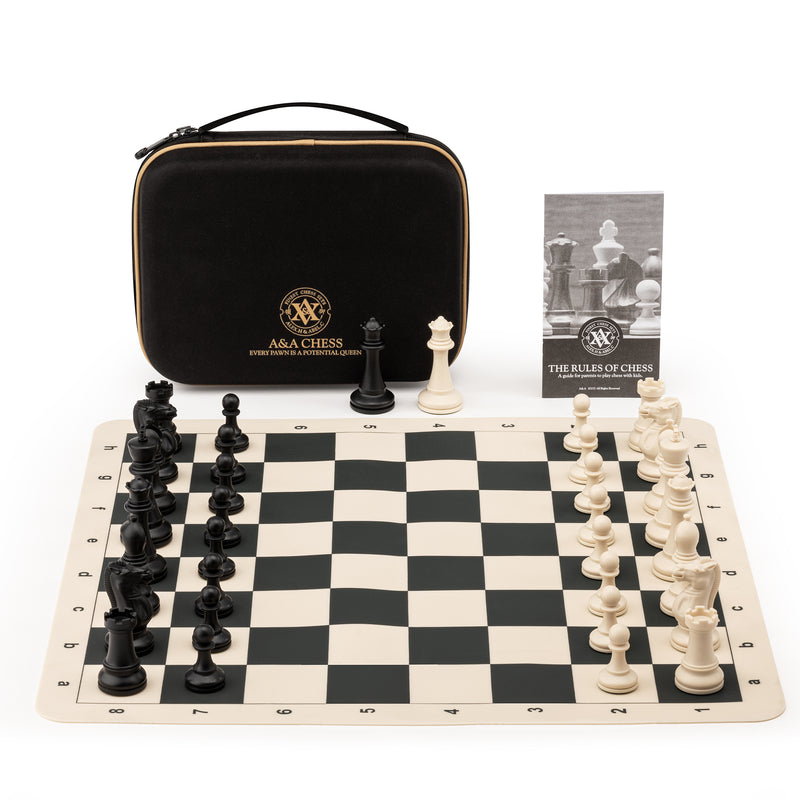
Self-control is additional cultivated with constant method and research. Gamers typically commit hours to boosting their skills, examining tactics, and reviewing past games. This commitment to grasping the video game infuses a sense of responsibility and determination, necessary characteristics that extend past the chessboard. Ultimately, the combination of perseverance and discipline not only enhances a player's chess capabilities but likewise adds to individual development, outfitting individuals with vital devices for navigating obstacles in different facets of life.
Promoting Creative Thinking and Imagination

Strategizing moves involves not simply logic however additionally the ability to anticipate a challenger's feedbacks, urging players to visualize multiple pathways and alternatives. As players experiment with different strategies, they discover to innovate and adapt, improving their creative analytic skills.
The video game's complexity invites players to check out unusual ideas and techniques, leading to individual styles of play - Chess. This expedition supports a feeling of artistic expression, as each player crafts their own technique to difficulties on the board. Eventually, chess becomes a canvas for imagination, allowing individuals to share their unique point of views while try here creating their imaginative capacities
Building Social Connections and Community
Playing chess uses chances for individuals to network through competitions and local chess clubs. These settings cultivate links amongst players, creating a feeling of recreation center around a common enthusiasm. Involving in these activities not just boosts skills yet additionally develops long-term relationships.
Networking Through Tournaments
When individuals involve in chess tournaments, they often discover themselves engaged in a vibrant neighborhood of similar individuals. These events give an exceptional platform for gamers to build links, share strategies, and celebrate their interest for the game. Participating in friendly competition fosters sociability, as players from diverse histories collaborated to test each various other. Networking chances abound, with numerous participants forming long-term relationships that prolong beyond the chessboard. Additionally, these competitions frequently bring in enrollers and chess enthusiasts, even more boosting the capacity for specialist links. As players take part in discussions site here about techniques and experiences, they construct a network that can result in future collaborations and opportunities within the chess globe and past.
Local Chess Clubs

Offering an Enjoyable and Engaging Difficulty
Chess uses a distinctly promoting experience that astounds players of any ages, as it incorporates tactical reasoning with the excitement of competition. This classic video game presents an engaging obstacle, motivating people to assume seriously and artistically. Each suit unravels as a fight of wits, where gamers have to anticipate their opponent's moves while devising their own approaches.
The intellectual engagement chess supplies is matched by its ability to amuse. Players commonly discover themselves immersed in the video game, shedding track of time as they browse complicated placements and tactical problems (Chess). This increased focus fosters a sense of accomplishment, particularly when a difficult relocation brings about victory
Chess promotes social interaction, enabling players to bond over common experiences and difficulties. The game's countless variations assure that no two sessions are alike, maintaining individuals passionate to refine their skills and approaches. This vibrant blend of obstacle and enjoyment makes chess a tempting pursuit.
Often Asked Inquiries
Can Chess Be Played Online or personally?
Chess can be played both online and in individual. Online systems provide gamers the ease of contending versus opponents worldwide, while in-person video games foster social interaction and physical presence, enhancing the overall experience.
What Age Is Finest to Begin Learning Chess?
Professionals suggest that kids can start discovering chess as early as age five or six. At this age, they can understand standard concepts, boosting cognitive abilities while fostering a love for the game that lasts a life time.
Are There Chess Tournaments for Beginners?
Yes, there are chess events particularly created for beginners. These occasions provide an encouraging atmosphere for amateur gamers to gain experience, improve their abilities, and delight in the competitive spirit of chess without encountering advanced challengers.
For how long Does It Take to End Up Being Competent at Chess?
Coming to be competent at chess usually requires consistent practice over numerous months to years. Elements such as specific dedication, prior experience, and research of approaches significantly affect the moment required to get to an experienced degree.
What Resources Are Offered for Discovering Chess Strategies?
Many sources exist for discovering chess techniques, consisting of on-line tutorials, books by renowned writers, chess apps, and interactive sites. Numerous gamers also profit from signing up with neighborhood clubs or joining on-line discussion forums for real-time understandings.